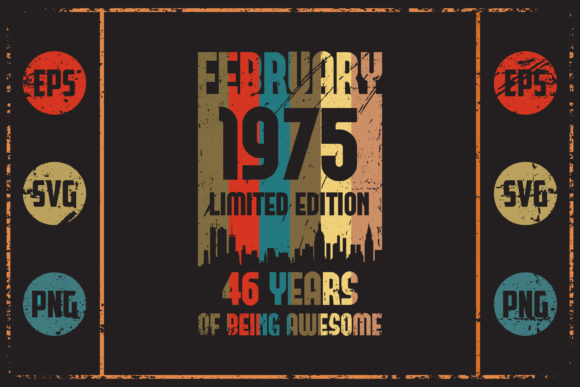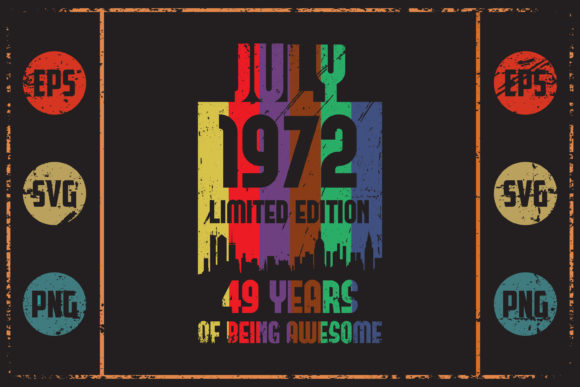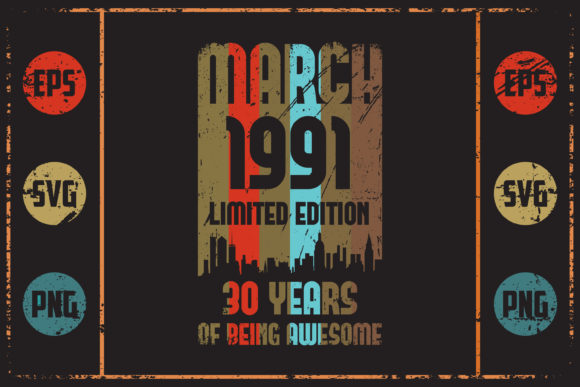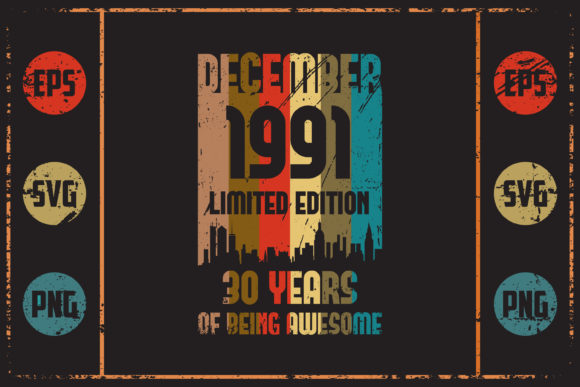
July 1975 - Retro Design
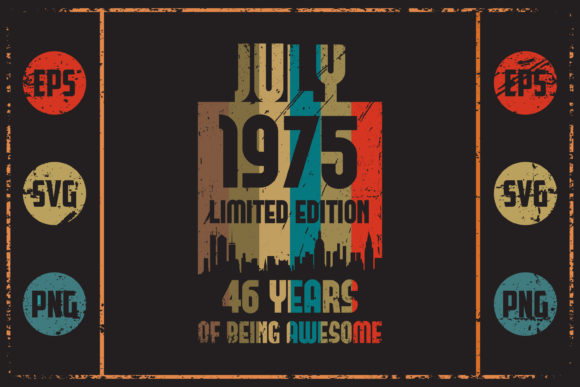
As a designer with years of experience in embroidery and digital product creation, I always approach new designs with a critical eye. July 1975 - Retro Design is no exception. This piece feels like a throwback to a simpler time, with its clean lines and nostalgic aesthetic. It’s not just a design—it’s a mood. The visual personality of this file leans into the 70s vibe, with a bold, slightly angular layout that suggests vintage posters, retro logos, and classic typography.
The First Impression
When I first opened the SVG file for July 1975 - Retro Design, I was struck by how well it balances simplicity with character. The shape is straightforward but carries a distinct identity. The design doesn’t try too hard to be intricate; instead, it relies on its clean, minimalistic form to make an impact. This makes it ideal for projects that need a strong visual statement without overwhelming detail.
The theme is clearly rooted in nostalgia. It feels like something you’d see on a vintage T-shirt, a retro coffee mug, or a hand-painted sign. The layout is structured yet relaxed, making it versatile enough for different applications. Whether it’s on a tote bag, a sweatshirt, or a baby onesie, it has a natural place in the world of handmade products and custom apparel.
Real-World Embroidery Use Cases
July 1975 - Retro Design fits well into a variety of real-life embroidery projects. For example, imagine using it on a custom tote bag for a boutique shop. The design would stand out without being too busy, and its retro feel would appeal to customers looking for unique, personalized gifts. It also works well on sweatshirts, especially for small businesses aiming to create a cohesive brand identity.
For baby items, this design could be used on onesies, blankets, or nursery decor. Its simplicity ensures it won’t look cluttered on delicate fabrics, and the retro style adds a charming touch. On caps or hats, the design holds up well, though care should be taken with the hoop size and fabric type.
It’s also great for embroidered patches. The design’s structure allows for clear stitching, and its nostalgic appeal can enhance the value of handmade products. As a digital embroidery file, it’s easy to scale and adjust for different project sizes, making it a practical choice for Etsy sellers and craft entrepreneurs.
Where to Be Careful
While July 1975 - Retro Design is visually appealing, there are some situations where it may not perform as well. On small hoop sizes, the design might require some adjustments to ensure all elements are properly stitched. Textured fabrics or thin, stretchy materials could cause the stitches to shift or become less defined.
On dark fabrics, the contrast between the design and the background may need careful consideration. If the design uses light thread colors, it might not show up as clearly as desired. Similarly, on layered garments or curved surfaces like caps, the design may need extra attention to ensure even stitch coverage.
Detailed corners and tiny lettering could be problematic if the stitch density is too high. This might lead to puckering or distortion, especially on delicate fabrics. It’s important to test the design on scrap fabric before using it on a final project.
Visual Appeal and Practical Value
July 1975 - Retro Design adds a sense of authenticity to any finished product. Its clean, retro style enhances the visual appeal of custom apparel, making it more attractive to buyers who appreciate unique, handmade items. When used on a personalized gift, it can elevate the perceived value of the item, making it feel more special and thoughtful.
From a commercial perspective, this design can help build customer trust. A well-executed embroidery project with a strong visual identity often leads to repeat business and positive reviews. For small shop owners and Etsy sellers, it’s a reliable choice that aligns with current trends while maintaining a timeless quality.
It also plays a role in brand consistency. If your business focuses on retro or vintage-themed products, this design can serve as a key element in your visual identity. It helps create a cohesive look across different product lines, from apparel to home decor.
Practical Designer Notes
Before using July 1975 - Retro Design in any project, I recommend testing it on scrap fabric. This will help you understand how the stitches interact with different materials and identify any potential issues early on. Checking the thread color contrast is essential, especially if you plan to use it on dark or light backgrounds.
Reviewing the stitch density is another important step. If the design is too dense, it may cause fabric distortion or affect the overall appearance. Confirming the correct hoop size will ensure that the design is properly centered and stitched without any gaps or overlaps.
Inspecting small details like corners and lettering is crucial. If these areas are too fine, they may not hold up well during the embroidery process. Testing the design in black and white mockups can also help you see how it looks without color, which is useful for printable mockups and digital product previews.
Using the right stabilizer is key, especially when working with delicate or stretchy fabrics. It helps prevent puckering and ensures a smoother finish. Always confirm whether the design is suitable for both personal and commercial use, and check the licensing terms before selling any finished items or digital products.