July 1972 - Retro Design
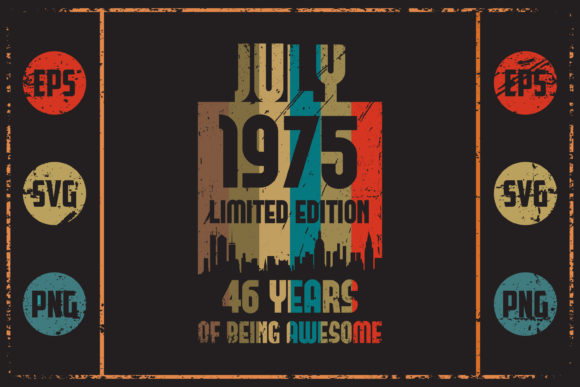
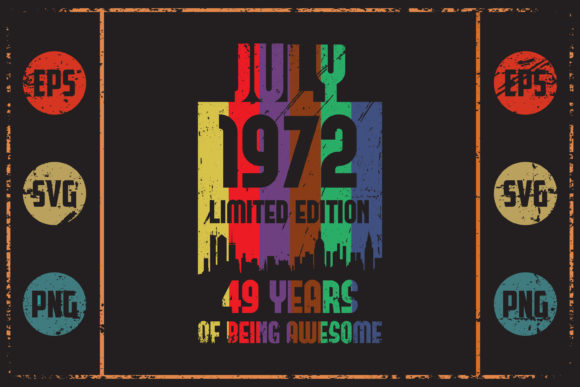
As a designer and embroidery product reviewer, I’ve seen my fair share of digital files. But when I came across the July 1972 - Retro Design, I knew it had potential. It’s not just another graphic—it’s a design that carries a vibe, a story, and a visual language that feels nostalgic yet modern. The first thing I noticed was the mood it evokes: a warm, slightly edgy retro aesthetic that screams mid-70s Americana. It’s the kind of design that makes you want to pull out a vintage jacket or play a classic rock album.
The First Impression
Looking at the July 1972 - Retro Design, I immediately recognized its strengths. The layout is clean, with a strong central motif that doesn’t feel cluttered. The shapes are bold, the details are well-balanced, and the overall composition has a timeless appeal. It’s perfect for a design that needs to stand out without overwhelming the viewer. Whether it’s on a tote bag, a sweatshirt, or a baby onesie, this design has the versatility to fit multiple applications.
The theme is clearly rooted in retro culture—think neon colors, geometric patterns, and a touch of grunge. It’s not overly complex, but it’s detailed enough to catch the eye. The design seems to be built for a specific audience: those who appreciate authenticity, craftsmanship, and a bit of personality in their handmade products.
Real-Life Embroidery Use Cases
When I think about where the July 1972 - Retro Design would shine, I imagine it on custom apparel, especially items like tote bags, sweatshirts, and caps. It’s a great fit for a small business owner looking to create unique, eye-catching merchandise. The design’s size and structure make it ideal for medium-sized hoops, which means it should work well on most standard embroidery machines.
For example, if I were creating a personalized gift for a client, I’d consider using this design on a cotton tote bag. The retro feel pairs well with casual, everyday items, and the design’s clarity ensures it looks sharp after stitching. It could also be used on baby clothes, where the boldness of the design stands out against soft fabrics.
Another use case is as an embroidered patch. The design’s simplicity allows it to translate well into applique or satin stitch formats. It would look great on jackets, backpacks, or even as a decorative element on a quilt or pillow cover. The key here is to ensure the thread colors contrast well with the fabric, especially if the background is dark or textured.
Where to Be Careful
While the July 1972 - Retro Design is versatile, there are some situations where it might not perform as well. For instance, if you’re working with small hoop sizes, this design might be too large to fit comfortably. Similarly, on thin or stretchy fabrics, the stitch density could cause puckering or distortion. It’s important to test the design on scrap fabric before committing to a final project.
If you’re planning to use this design on dark fabric, you’ll need to choose thread colors that pop. On light backgrounds, the design may appear more subdued, so consider how it will look in different contexts. Also, if you’re working with curved surfaces like caps or hats, the design’s edges may require some adjustment to ensure it sits correctly.
Another consideration is the level of detail. While the design is visually appealing, very small lettering or intricate corners may not hold up well under stitching. If you’re planning to use it in a commercial setting, double-check the licensing terms to make sure it’s suitable for resale or distribution.
Impact on Visual Appeal and Customer Perception
The July 1972 - Retro Design has a strong visual presence that can elevate any handmade product. Its retro aesthetic adds character, making it a great choice for boutique brands, Etsy sellers, and craft fair vendors. When customers see this design on a finished product, they’re likely to perceive it as high-quality, authentic, and thoughtfully created.
This design also enhances the value of a product. A well-executed embroidery project using this file can command a higher price point, especially if it’s part of a limited edition or seasonal collection. It’s a design that speaks to nostalgia, which can be a powerful marketing tool for creative entrepreneurs.
From a branding perspective, the design aligns well with a retro or vintage-themed brand identity. It’s consistent with the kind of imagery that appeals to a specific demographic—those who appreciate handmade, personalized, and unique products. This makes it a valuable asset for small shop owners looking to build a cohesive product line.
Practical Designer Notes
Before using the July 1972 - Retro Design in your own projects, I recommend testing it on a sample fabric. This will help you assess how the stitches look, how the design fits in the hoop, and whether it works with your chosen thread colors. Pay attention to the stitch density—too much can cause the fabric to pucker, while too little may make the design look flat.
Also, consider how the design will appear in black and white mockups. Sometimes, a design that looks good in color may not translate well when printed or stitched in monochrome. Make sure the design is clear and legible in all formats, especially if you plan to use it for printable mockups or digital product previews.
Finally, always check the licensing terms before selling finished items or digital products. Even though this is a digital download, the rights to use the design commercially may vary depending on the seller. Confirm that it’s suitable for your intended use before moving forward.
Final Thoughts
The July 1972 - Retro Design is a solid choice for designers, small business owners, and crafters looking for a versatile, nostalgic, and visually striking embroidery file. It’s not perfect for every situation, but when used correctly, it can add a lot of value to your handmade products. Whether you’re creating custom apparel, personalized gifts, or boutique merchandise, this design has the potential to make a lasting impression.
As with any embroidery file, the key is to understand its strengths and limitations. With the right approach, the July 1972 - Retro Design can become a staple in your design library and a favorite among your customers.