February 1975 - Retro Design
The First Impression: A Nostalgic Visual Statement
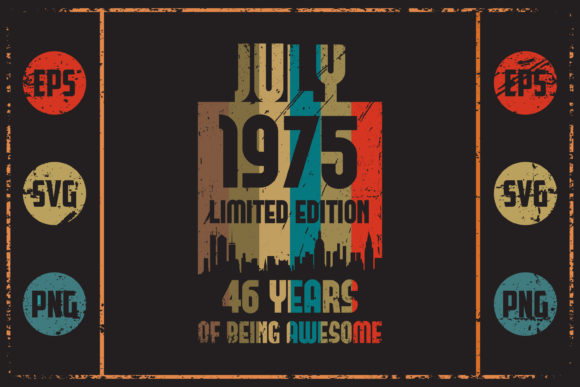
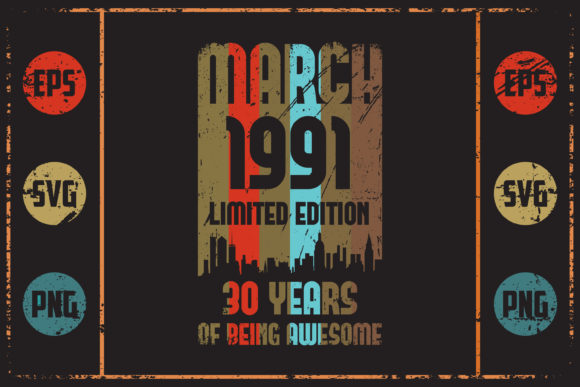
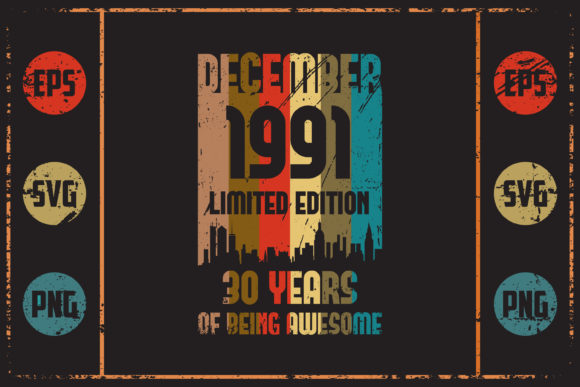
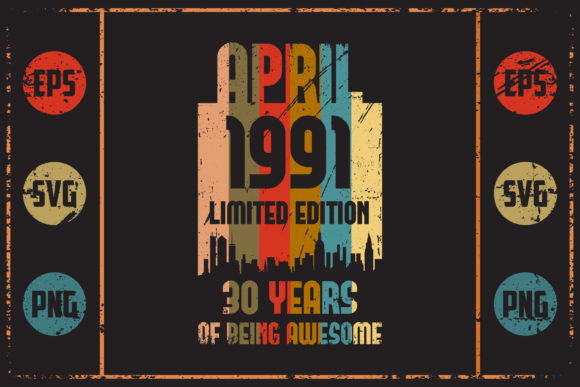
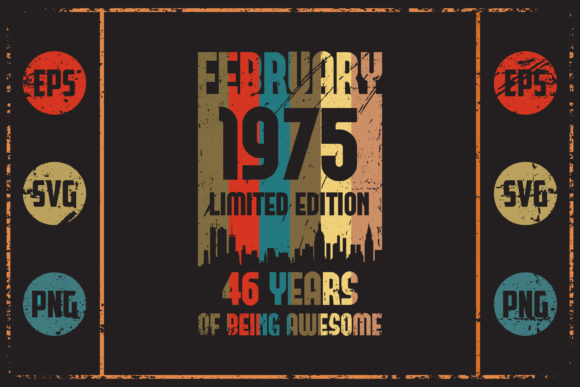
February 1975 - Retro Design immediately evokes a sense of vintage charm. The design’s layout is clean yet bold, with a strong emphasis on geometric shapes and stylized typography that feels both timeless and modern. It’s the kind of piece that could easily be mistaken for an old poster or a forgotten logo from a bygone era. The overall mood is warm, inviting, and slightly whimsical, making it ideal for projects that aim to evoke nostalgia or a retro aesthetic.
What This Design Is Built For
This design naturally fits into custom apparel, especially tote bags, sweatshirts, and baby clothes. Its structure allows for easy placement on flat surfaces like t-shirts or aprons, but it also has enough detail to stand out on patches or embroidered caps. The visual personality of February 1975 - Retro Design suggests it was created for a craft business looking to offer unique, handmade products that resonate with a specific audience.
Real-World Embroidery Performance
When used in real embroidery projects, February 1975 - Retro Design holds up well on most standard fabrics. The stitch density is balanced, allowing for clear definition without overwhelming the material. However, it’s important to note that this design may not be ideal for very small hoop sizes. If you’re working on a cap or a curved surface, you might need to adjust the design or use multiple hooping sessions to maintain quality.
On textured or stretchy fabrics, the design can sometimes lose some of its sharpness. That’s why it’s always wise to test it on scrap fabric first. For dark fabrics, the thread color contrast becomes crucial. If you’re using a light-colored thread on a black background, make sure it stands out clearly. On lighter fabrics, the design looks more vibrant and detailed.
Where to Use With Caution
February 1975 - Retro Design isn’t the best choice for tiny lettering or intricate corners. If your project requires high precision in those areas, you might want to look for a different design. Additionally, if you’re planning to use this on layered garments or items that will be washed frequently, consider how the stitching will hold up over time.
Dense stitch areas can cause puckering on thin or delicate fabrics. Using the right stabilizer is essential here. For commercial embroidery projects, ensure that the design is compatible with your machine and that the file format works with your software. Since this is a digital download, you’ll need to confirm compatibility with your preferred tools before proceeding.
Impact on Visual Appeal and Customer Perception
When properly executed, February 1975 - Retro Design adds a unique touch to any finished product. It enhances the visual appeal of custom apparel and makes personalized gifts feel more thoughtful. Customers often respond positively to retro designs because they carry an emotional connection. This can increase the perceived value of your handmade product or small shop merchandise.
For Etsy sellers and craft businesses, this design can help build brand consistency. It’s a great asset for printable mockups or digital product previews, allowing you to showcase your work effectively. When used in holiday or wedding gifts, it can elevate the overall presentation and make the item feel more special.
Practical Designer Notes
Before using February 1975 - Retro Design in your next project, take the time to test it on different fabrics. Check the stitch density and make sure it aligns with your design goals. If you’re planning to sell finished items, review the licensing terms carefully to ensure you’re compliant with any restrictions.
For applique designs or satin stitch applications, pay attention to how the design interacts with the fabric. In some cases, adjusting the stitch direction or adding extra stabilizer can improve the final outcome. If you’re working on a large project, consider breaking the design into sections to manage hoop size limitations.
Finally, don’t overlook the importance of thread color selection. Even the best design can fall flat if the colors don’t match your vision. Test it in black and white mockups to see how it translates across different backgrounds. This will help you make informed decisions about how to present your work to customers.
Final Thoughts on February 1975 - Retro Design
February 1975 - Retro Design is a versatile option for designers and crafters looking to add a nostalgic flair to their work. It’s well-suited for a range of embroidery projects, from custom apparel to boutique merchandise. While it has its limitations, particularly with smaller hoop sizes and delicate fabrics, it offers a strong visual identity that can enhance your creative output.
If you’re an embroidery designer, small business owner, or Etsy seller, this design could be a valuable addition to your collection of design assets. Just remember to approach it with care, test it thoroughly, and ensure it meets your project’s specific needs. With the right application, February 1975 - Retro Design can become a standout element in your handmade or commercial work.