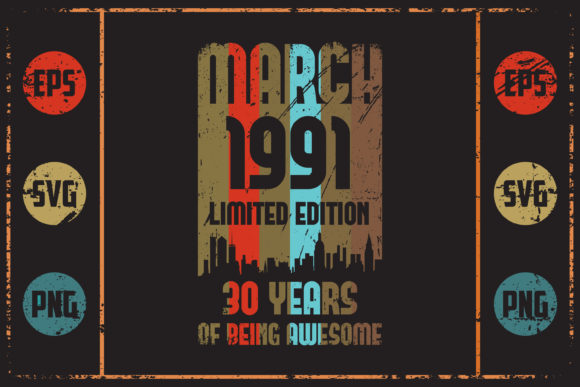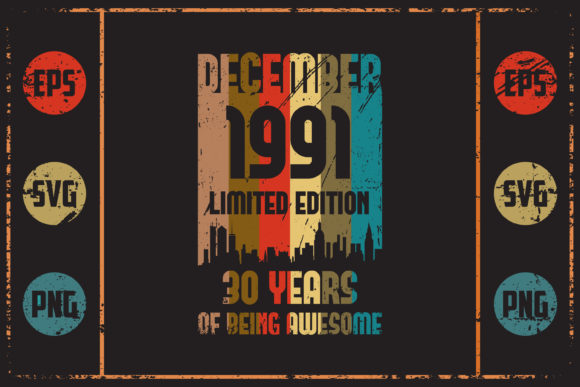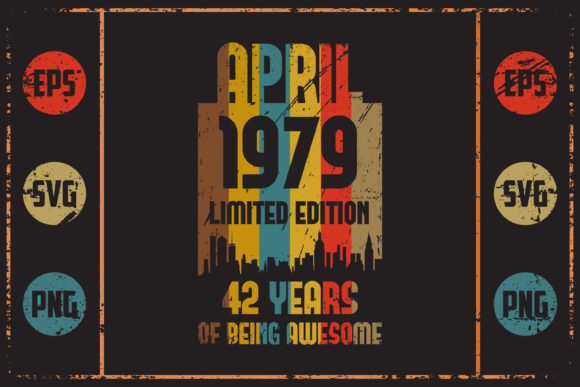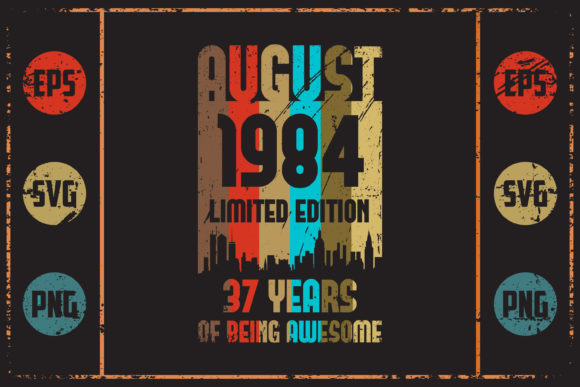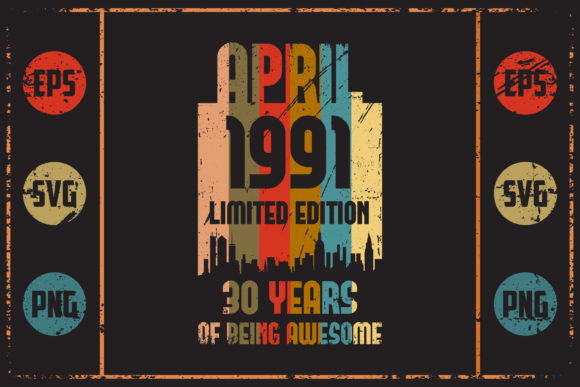
April 1991 - Retro Design
As a designer with years of experience in embroidery and digital product creation, I always approach new designs with a critical eye. April 1991 - Retro Design is no exception. This digital file offers a nostalgic aesthetic that could work well in a variety of handmade and commercial projects. But before jumping into using it for clients or selling it as a product, it’s important to understand how it performs in real-world scenarios.
The First Impression
Upon opening the .zip file, the first thing that stands out is the simplicity and charm of April 1991 - Retro Design. The layout feels classic, with clean lines and a visual personality that evokes mid-20th-century aesthetics. It’s not overly complex, which makes it versatile but also means it might not hold up under certain conditions.
The design seems to be best suited for projects that lean into vintage themes—think custom apparel, baby items, or holiday gifts. Its shape and composition suggest it would look great on a tote bag or a sweatshirt, where the retro vibe can shine without being overwhelming.
Real-Life Embroidery Performance
When considering how April 1991 - Retro Design translates to actual stitching, there are a few factors to keep in mind. For instance, if you’re planning to use it on a custom t-shirt or a personalized gift, the design’s clarity will depend heavily on stitch density and thread color contrast. A light-colored fabric may require a darker thread to ensure visibility, while a dark background might need a contrasting color for the same reason.
This design works well for applique or satin stitch applications, but its performance on textured fabrics or thin materials could be an issue. If you're planning to embroider on a delicate fabric or something stretchy, you’ll want to test it first. The design’s detail level is moderate, so it should hold up on most standard fabrics, but intricate corners or tiny lettering might not come out as sharp as expected.
Where to Use With Caution
While April 1991 - Retro Design has a lot to offer, there are situations where it might not perform as well. Small hoop sizes, for example, could limit your ability to stitch the entire design in one go. If you're working on a cap or a curved surface, the design’s shape might not align perfectly, leading to potential distortion.
For products that see frequent washing, such as baby clothes or kitchen towels, the design’s durability is a concern. Dense stitch areas might cause the fabric to pucker or the threads to fray over time. It’s also worth noting that this design may not be ideal for layered garments or items with multiple fabric layers, as the stitches could become less visible or uneven.
Impact on Visual Appeal and Customer Perception
When used correctly, April 1991 - Retro Design can elevate the visual appeal of any project. Its retro theme adds a unique touch that can make a handmade product stand out in a crowded market. For small business owners or Etsy sellers, this design could be a valuable addition to their product line, especially for items like embroidered patches, tote bags, or holiday gifts.
However, if the design isn’t executed properly, it could lead to customer dissatisfaction. Poor stitching, incorrect thread colors, or issues with fabric compatibility might result in a finished product that doesn’t meet expectations. This is why it’s essential to test the design on scrap fabric before committing to a larger project.
Practical Designer Notes
Before using April 1991 - Retro Design in any project, I recommend testing it on different fabrics and thread colors. This will help you determine how it looks in various conditions and whether adjustments are needed. Checking the stitch density is also crucial, as too much or too little could affect the final outcome.
Make sure to confirm the hoop size required for the design. If you're working with a smaller machine, you may need to break the design into sections. Using the right stabilizer is another key step—especially when working with delicate or stretchy fabrics.
For those planning to sell finished items or digital products, it’s important to review the licensing terms. While the product description mentions a digital download, it doesn’t specify whether the design is for personal or commercial use. Always double-check the terms to avoid any legal issues down the line.
Best Fit for Projects
April 1991 - Retro Design is ideal for a range of applications, from custom apparel to holiday decorations. It could be a great fit for a small shop product, a boutique brand, or even a printable mockup for a craft fair. Its retro style makes it particularly appealing for personalized gifts, such as embroidered pillows or baby items.
That said, it’s not a one-size-fits-all design. If you're looking for something more intricate or detailed, this might not be the best choice. However, for a simple, nostalgic look, it could be exactly what you need.
Final Thoughts
April 1991 - Retro Design is a solid option for designers and crafters who want to add a vintage flair to their work. It’s straightforward, easy to use, and has a clear visual identity that can enhance a variety of projects. But like any embroidery design, its success depends on how it’s applied.
If you're an Etsy seller, a small business owner, or a hobbyist looking to create handmade products, this design could be a useful tool in your creative arsenal. Just remember to test it thoroughly, consider the fabric and stitch requirements, and ensure it fits your specific needs before moving forward.