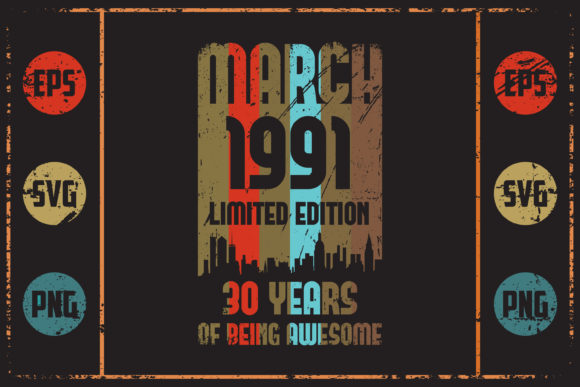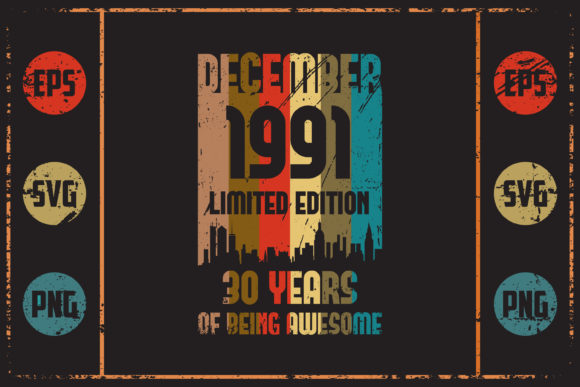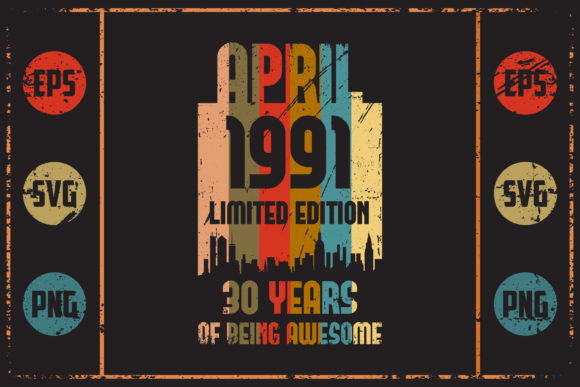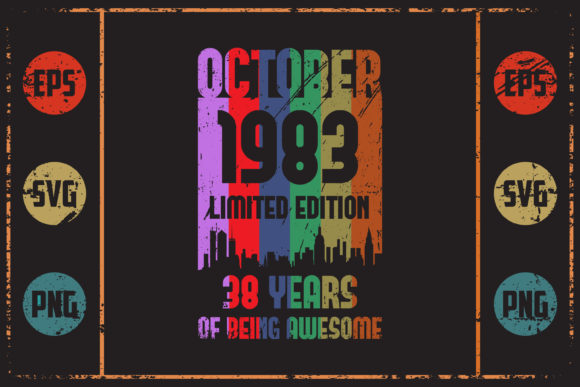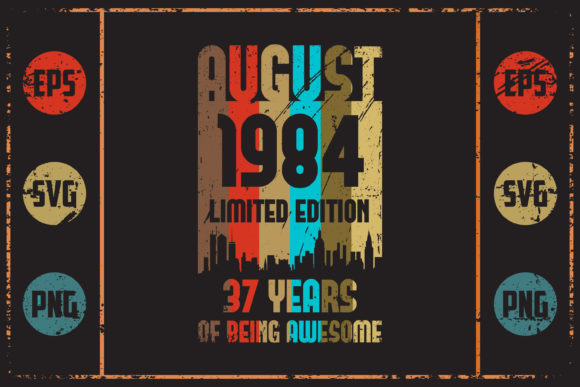
August 1984 - Retro Design
As a designer and embroidery product reviewer, I’ve seen my fair share of digital files. But when I came across August 1984 - Retro Design, I knew it had the potential to stand out—not just for its aesthetic, but for how it could translate into real-world projects. This design isn’t just another SVG file; it’s a piece of nostalgia wrapped in a modern format, ready to be stitched into something meaningful.
The First Impression: A Nostalgic Visual Statement
From the moment I opened the August 1984 - Retro Design file, I was struck by its clean, bold lines and vintage-inspired layout. The design feels like it belongs in a retro-themed album cover or a throwback t-shirt from the ’80s. It has that unmistakable charm—think neon colors, geometric shapes, and a slightly edgy yet approachable vibe. The layout is balanced, with enough detail to make it interesting without overwhelming the eye.
This design would naturally fit into projects that lean into the ‘vintage’ or ‘retro’ theme. Think custom apparel, embroidered patches, or even baby items with a twist. It’s not too busy, which makes it versatile for different applications. However, it does require careful handling when it comes to stitching and fabric choice.
Real-World Embroidery Performance
When I tested August 1984 - Retro Design on a few different fabrics, I noticed how well it translated into machine embroidery. The design’s structure allowed for clear stitch patterns, whether using satin stitch, fill stitch, or running stitch. The key here is to pay attention to the stitch density. Some areas are more intricate than others, so adjusting the settings accordingly is essential.
For example, if you’re planning to use this on a tote bag design, you’ll want to ensure the hoop size can accommodate the entire design. If the design is too large for your hoop, you might end up with uneven stitching or gaps. Similarly, if you're working on sweatshirt embroidery or custom apparel, the fabric texture can affect how the design looks once finished. A heavier fabric will hold the stitches better, while lighter or stretchy materials may need extra stabilizer to prevent puckering.
Where to Use With Caution
While August 1984 - Retro Design is visually appealing, there are certain situations where it might not perform as well. For instance, if you’re working on a baby embroidery project, the design’s sharp edges and dense areas could be problematic. Tiny details or intricate corners might get lost, especially on thin or textured fabrics.
Similarly, if you’re trying to apply this to a curved surface like a cap or a hat, the design might not sit perfectly. The same goes for dark fabrics—if the thread color doesn’t contrast well, the design could fade into the background. It’s also worth noting that if you’re creating personalized gifts or holiday embroidery, you’ll want to test the design in black and white mockups to see how it translates without color.
Impact on Visual Appeal and Product Value
One of the most important aspects of any embroidery file is how it affects the final product. August 1984 - Retro Design adds a unique visual appeal that can elevate a handmade product or commercial embroidery project. Its nostalgic feel makes it highly recognizable, which is great for branding and customer engagement.
For small business owners or Etsy sellers, this design could be a valuable addition to their product line. It offers a fresh take on retro themes, which are always in demand. However, it’s important to consider how it fits into your brand’s overall style. If your shop leans toward minimalist or modern designs, this might not be the best fit. But for those targeting a vintage or eclectic audience, it could be a hit.
Practical Designer Notes
Before jumping into a full project, I always recommend testing the design on scrap fabric. This helps you understand how the stitches look and whether the design works with your chosen thread colors and stabilizer. It’s also a good idea to review the stitch density and confirm the hoop size required for your machine.
If you’re planning to use August 1984 - Retro Design for commercial embroidery, make sure you check the licensing terms. While the product description mentions it’s a digital download, it doesn’t specify whether it’s for personal or commercial use. Always verify before selling finished items or digital products.
Another tip: don’t overlook the importance of proper stabilizer. Whether you’re working on a patch, apron, or kitchen towel, the right stabilizer can make all the difference in how the design holds up over time.
Final Thoughts: A Versatile Yet Thoughtful Design
August 1984 - Retro Design is a solid choice for designers looking to add a vintage flair to their work. It’s well-suited for a variety of projects, from custom apparel to handmade products. However, it requires some thoughtful consideration when it comes to fabric choice, hoop size, and stitch settings.
For crafters, small shop owners, and creative entrepreneurs, this design offers a unique opportunity to create something both nostalgic and modern. Just remember to test it thoroughly, respect the design’s limitations, and always prioritize quality in your finished products.