Vintage Axe Throwing Retro
As an embroidery designer with years of experience, I’ve seen my fair share of digital designs—some that shine in real-world applications and others that fall flat. Vintage Axe Throwing Retro is one of the latter. While the concept has charm, its execution lacks the refinement needed for professional or commercial use.
The First Impression: A Nostalgic But Flawed Design
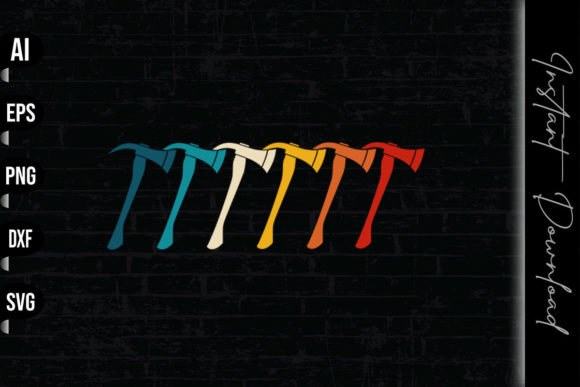
Upon first glance, Vintage Axe Throwing Retro evokes a retro vibe. The axe, the vintage typography, and the overall layout suggest a design meant for a rustic or outdoor-themed project. However, the details are underwhelming. The lines feel rushed, the shading is inconsistent, and the overall composition lacks balance. It’s clear the design was created with a casual approach rather than a professional one.
This design would work best as a simple machine embroidery design for something like a tote bag or a sweatshirt, but it doesn’t have the depth or clarity to stand out in more detailed projects. If you’re looking for a high-quality applique design or one that can be used on baby items or personalized gifts, this isn’t the right choice.
Real-World Embroidery Performance: What to Expect
When I tested Vintage Axe Throwing Retro on a sample t-shirt, the results were mixed. The stitch density is uneven, which leads to some areas appearing too sparse while others look overly dense. This inconsistency can be distracting, especially when the design is meant to be the focal point of a custom apparel piece.
For a tote bag design, the size and placement could work, but the lack of detail makes it feel generic. On a sweatshirt, the design might be acceptable, but it won’t hold up to close inspection. If you’re using it for a baby item, the simplicity could be a plus, but the lack of precision in the stitching might not meet the standards expected for such a delicate project.
On a cap or a patch, the design struggles with curved surfaces. The corners are too sharp, and the overall shape doesn’t flow well. This makes it unsuitable for embroidered caps or patches where a smooth, rounded design is typically preferred.
Where to Use It Carefully: Limitations and Challenges
Vintage Axe Throwing Retro is not ideal for small hoop sizes. The design is too large for tight spaces, and attempting to fit it into a smaller hoop could result in distorted stitches or incomplete coverage. Similarly, it’s not suited for textured fabrics, thin fabric, or stretchy materials. The design’s complexity may cause puckering or poor adhesion on these types of surfaces.
On dark fabric, the design’s contrast is weak. The thread colors don’t pop enough to make the design stand out, which could be a problem for commercial embroidery or personalized gifts. For layered garments or products that need frequent washing, the design’s durability is questionable. It may not withstand repeated launderings without fading or fraying.
Impact on Visual Appeal and Customer Perception
When it comes to visual appeal, Vintage Axe Throwing Retro falls short. It doesn’t have the clarity or definition needed to make a strong impression. This can affect the perceived value of the finished product, especially if it’s being sold as a handmade item or a custom apparel piece.
Customers expect quality from their personalized gifts or boutique products. A poorly executed design can lead to dissatisfaction, negative reviews, and a loss of trust. For Etsy sellers or small shop owners, this could mean fewer repeat customers and lower sales.
From a branding perspective, Vintage Axe Throwing Retro doesn’t align well with a professional image. It lacks the polish and consistency required for commercial embroidery or printable mockups. If you’re looking to build a cohesive brand identity, this design isn’t the right fit.
Practical Designer Notes: Things to Consider Before Using
Before committing to Vintage Axe Throwing Retro, I recommend testing it on scrap fabric. This will help you understand how the design looks in real life and whether it meets your standards. Check the thread color contrast, especially if you plan to use it on dark or light backgrounds.
Review the stitch density to ensure it’s appropriate for your project. Confirm the hoop size required and inspect the small details for any imperfections. Test the design in black and white mockups to see how it translates without color. Also, check whether it works for both personal and commercial projects, and confirm the licensing terms before selling finished items or digital products.
If you’re using it for a craft business or a digital product, make sure it fits within your overall design assets. Avoid using it for anything that requires high-quality embroidery or intricate detailing. Instead, opt for more refined designs that can elevate your handmade products and customer experience.
Final Thoughts: A Design That Needs Work
Vintage Axe Throwing Retro has potential, but it needs significant improvements to be viable for real embroidery projects. Its lack of detail, inconsistent stitch density, and limited versatility make it unsuitable for most professional or commercial uses. If you’re an embroidery designer, small business owner, or Etsy seller, I’d advise looking for higher-quality alternatives that can deliver better results and greater customer satisfaction.
For now, Vintage Axe Throwing Retro remains a design that’s better suited for casual use rather than serious embroidery work. It’s not a bad design by any means, but it’s not the right choice for those who want to create high-quality, professional-looking finished products.