Sweet Peach Embroidery Design Review
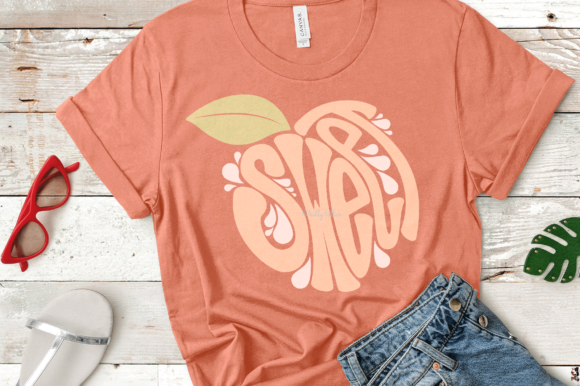
As an embroidery designer and product reviewer, I’ve evaluated countless machine embroidery designs. Sweet Peach stands out as a charming, retro-inspired piece that feels both nostalgic and modern. The hand-lettered peach design is simple yet effective, making it a versatile addition to any embroidery project. But like any design, its success depends on how it’s used and the context in which it appears.
The First Impression: A Nostalgic, Playful Mood
Sweet Peach immediately evokes a sense of warmth and simplicity. The retro aesthetic suggests a 1950s or 1960s style, with soft curves and a playful font that feels hand-crafted. The layout is clean, with enough detail to make it visually engaging without being overwhelming. It’s the kind of design that could easily be mistaken for something you’d find in a vintage shop or a handmade boutique.
This design would naturally fit into projects that aim for a casual, laid-back vibe—think summer t-shirts, baby onesies, or personalized tote bags. Its visual personality makes it ideal for items that are meant to be worn or used daily rather than reserved for special occasions.
Real-World Use Cases: Where Sweet Peach Shines
One of the first scenarios I imagine is using Sweet Peach on a custom embroidered tote bag. The design is large enough to be visible but not so big that it overwhelms the fabric. It works well on light-colored cotton or canvas, where the stitch density can be adjusted for clarity without looking too heavy.
For baby items, such as onesies or blankets, the design adds a cute, personal touch. It’s also great for embroidered patches, especially when paired with a contrasting thread color. On a sweatshirt, it could be placed on the front or sleeve, depending on the desired look.
Another use case is in holiday or seasonal embroidery. While the design isn’t explicitly festive, its warm, inviting feel makes it suitable for summer-themed gifts or as part of a larger collection of seasonal designs.
Where to Be Cautious: Design Limitations and Challenges
Despite its charm, Sweet Peach isn’t a one-size-fits-all design. If you’re working with small hoop sizes, you may find that the design doesn’t fit comfortably. This could lead to stitching issues or require multiple hooping sessions, which can be time-consuming.
On textured fabrics, such as fleece or knitted materials, the design might not sit as smoothly. Similarly, thin or stretchy fabrics could cause the stitches to pucker or distort. For dark fabrics, the design might need a white stabilizer or a lighter thread color to ensure visibility.
Details like the peach’s curve or the lettering could be problematic on curved surfaces, such as caps or hats. Tiny lettering or dense stitch areas might not hold up well on these types of projects. It’s important to test the design on different materials before committing to a final product.
Visual Appeal and Customer Perception
Sweet Peach has a strong visual appeal when stitched correctly. It adds a friendly, approachable element to any project, which can enhance the perceived value of a handmade product. Customers often respond positively to designs that feel personal and unique, and this one certainly fits that bill.
When used in commercial embroidery projects, such as for an Etsy seller or a small shop, the design can help build brand consistency. It’s also a good choice for printable mockups or digital product previews, as it’s easy to visualize on various backgrounds.
However, if the design is poorly executed—such as with incorrect stitch density or mismatched thread colors—it could detract from the overall professionalism of the finished product. That’s why testing and attention to detail are essential.
Practical Designer Notes: How to Get the Most Out of Sweet Peach
Before using Sweet Peach in a real project, always test it on scrap fabric. This will help you determine how the design looks on your chosen material and whether any adjustments are needed.
Check the thread color contrast against the fabric. If you’re using a dark fabric, consider using a white or light-colored thread to ensure the design stands out. Also, review the stitch density to avoid overly dense areas that could cause puckering or distortion.
Confirm the hoop size required for the design. If it’s too large for your machine, you may need to split it into sections or adjust the layout. Inspect small details, such as the edges of the peach or the lettering, to ensure they’re clear and well-defined.
Test the design in black and white mockups to see how it looks without color. Compare it on both light and dark fabric backgrounds to understand its versatility. Using the right stabilizer is crucial, especially on delicate or stretchy fabrics.
Finally, confirm that the design is suitable for both personal and commercial use. Check the licensing terms before selling finished items or digital products to avoid any legal issues.
Conclusion: A Versatile, Lovable Design
Sweet Peach is a design that brings a sense of fun and nostalgia to any embroidery project. It’s well-suited for casual wear, baby items, and personalized gifts, and it can add character to a wide range of products. However, like any machine embroidery design, it requires thoughtful application to achieve the best results.
Whether you're a craft business owner, an Etsy seller, or a hobbyist, Sweet Peach offers a unique opportunity to create something that feels both handmade and professional. With proper testing and care, it can become a valuable asset in your design library.