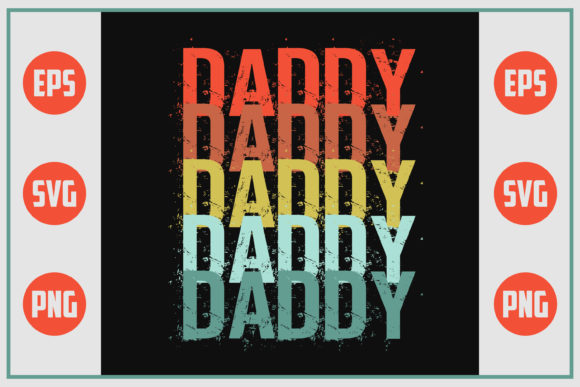
Retro Design - Daddy
As an embroidery designer and product reviewer, I often find myself evaluating new designs with a critical eye—looking for quality, versatility, and practicality. Retro Design - Daddy is one such file that caught my attention. It’s a digital embroidery design meant for use in custom apparel, personalized gifts, and craft business projects. Let’s break down how it performs in real-world scenarios and what to consider before using it in your next project.
The First Impression: A Nostalgic Vibe with Practical Potential
Retro Design - Daddy immediately evokes a sense of nostalgia. The style is clean, bold, and slightly quirky, making it ideal for vintage-themed projects. The layout is well-balanced, with a central motif that feels like it belongs on a retro shirt, a baby onesie, or even a patch for a jacket. The design isn’t overly complex, which means it can be adapted to a variety of mediums without losing its visual impact.
The theme is straightforward—perfect for dad-related gifts, custom apparel, or even as a branding element for a small shop. It has a friendly, approachable feel that could resonate with a wide audience, especially those looking for something unique but not too flashy.
Real-World Use: Where Does Retro Design - Daddy Shine?
When I think about where Retro Design - Daddy would work best, I imagine a custom embroidered tote bag for a local artisan market or a sweatshirt for a family-friendly event. Its simplicity makes it easy to stitch onto a range of fabrics, from cotton t-shirts to thicker materials like denim or canvas. The design doesn’t require excessive detail, so it’s less likely to get lost in the fabric texture.
It also works well as an embroidered patch. The lines are clear enough to translate into an applique design, and the overall shape is compact enough for a small hoop. For a handmade product, this design could be a great addition to a boutique line of personalized gifts or a small shop merchandise collection.
One thing to note is that the design’s size and complexity make it suitable for most standard embroidery machines. However, if you’re planning to use it on a curved surface like a cap or a hat, you might need to adjust the hoop size or consider a different placement to avoid distortion.
Where to Be Cautious: Limitations and Considerations
While Retro Design - Daddy is versatile, there are some areas where it might not perform as well. If you're working with small hoop sizes, the design may need to be split or adjusted to fit. Similarly, on thin or stretchy fabrics, the design could lose some of its definition unless you use the right stabilizer.
For dark fabrics, the design might not stand out as much unless you choose a contrasting thread color. I recommend testing it on both light and dark backgrounds to see how it looks. If you're planning to use it on a layered garment or a textured fabric, be prepared to do some extra work to ensure the design stays visible and intact.
Another consideration is the stitch density. Since it’s a relatively simple design, it won’t require a lot of stitches, which is good for reducing wear on the fabric. However, if you’re using it in a dense area, like a large fill, you might want to check the spacing to avoid puckering or uneven stitching.
Impact on Visual Appeal and Customer Perception
Retro Design - Daddy has the potential to elevate a finished product. Its clean lines and retro aesthetic can add a touch of personality to any item. Whether it's a custom apron for a home cook or a holiday gift for a dad, the design feels intentional and thoughtful.
From a customer perspective, this design could help build trust in your handmade products. A well-executed embroidery project with a unique design can make a big difference in how your brand is perceived. It also adds value to your offerings, whether you're selling on Etsy, at a craft fair, or running a small shop.
For commercial embroidery projects, Retro Design - Daddy is a solid choice. It’s simple enough to be used in bulk without compromising quality. As long as you follow proper stitching techniques and use the right stabilizer, it should hold up well over time.
Practical Designer Notes: What to Check Before Using
Before jumping into a project with Retro Design - Daddy, here are a few things to keep in mind:
- Test on scrap fabric first to see how the design looks and how it stitches.
- Check thread color contrast to ensure the design stands out on your chosen fabric.
- Review stitch density to avoid issues with puckering or uneven stitching.
- Confirm hoop size to ensure the design fits comfortably on your machine.
- Inspect small details to make sure everything is clear and well-defined.
- Test in black and white mockups to see how it looks without color.
- Compare light and dark fabric backgrounds to determine the best look.
- Use proper stabilizer for delicate or stretchy fabrics.
- Check licensing before selling finished items or digital products.
Final Thoughts: A Solid Choice for Creative Projects
Retro Design - Daddy is a reliable option for embroidery designers, small business owners, and crafters looking for a nostalgic, functional design. It’s well-suited for custom apparel, personalized gifts, and handmade products, and it offers a good balance between simplicity and visual appeal.
Whether you're creating a custom tote bag for a client, a baby onesie for a special occasion, or a holiday gift for a dad, this design can be a valuable addition to your collection. Just remember to test it thoroughly and consider the fabric and stitching requirements before finalizing your project.