Retro Design - 1959
As a designer with years of experience in embroidery and digital product creation, I always approach new designs with a critical eye. Retro Design - 1959 is one that immediately caught my attention for its nostalgic charm and potential in a variety of projects. But before jumping into using it on custom apparel or handmade products, I wanted to evaluate how it would perform in real-world embroidery situations.
The First Impression: A Nostalgic Visual Statement
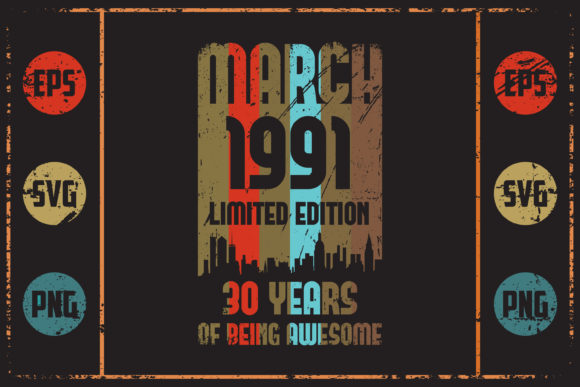
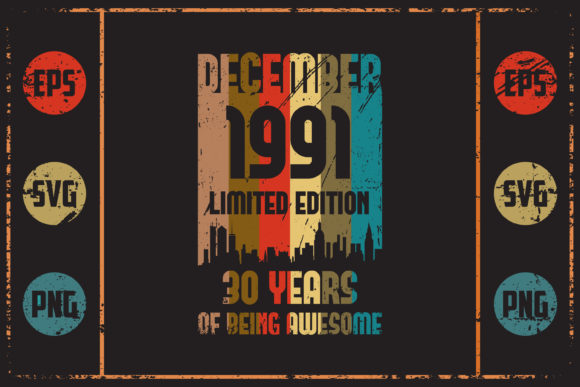
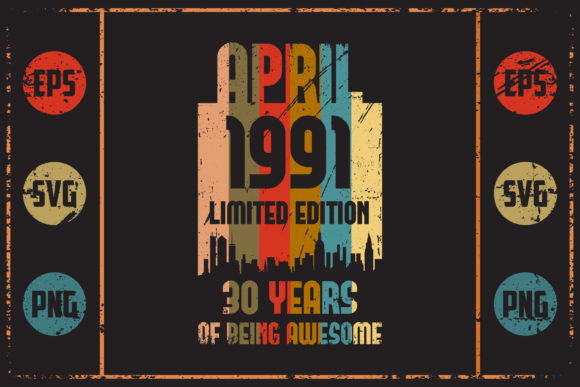
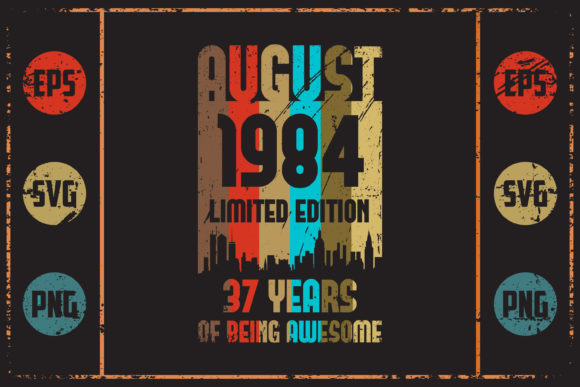
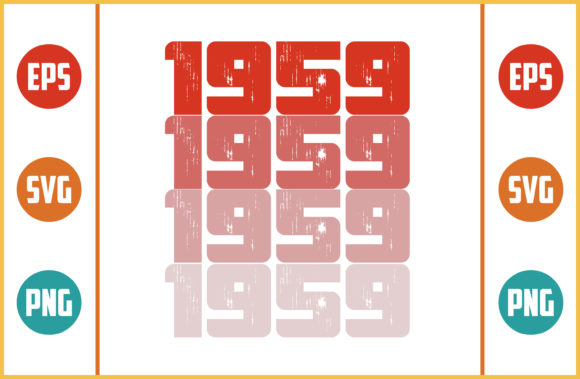
Retro Design - 1959 exudes a vintage vibe that feels both timeless and relevant. The design features clean lines, a retro font, and a subtle pattern that evokes mid-century aesthetics. It’s not overly complex, which makes it versatile but also raises questions about how it will translate in different materials and scales.
The layout is balanced, with enough detail to be visually engaging without being overwhelming. It has a strong visual personality that could work well as an embroidered patch, tote bag design, or even a holiday gift. However, the simplicity might require careful consideration when placing it on smaller items or textured fabrics.
Real-World Embroidery Performance
Testing Retro Design - 1959 on various fabrics showed mixed results. On cotton and canvas, it looked sharp and clear, especially when using a proper stabilizer. But on thin or stretchy materials, the design tended to lose some definition, particularly around the edges. This suggests that it may not be ideal for baby clothes or undergarments where fabric texture can affect stitch clarity.
When used on sweatshirts or tote bags, the design held up well, especially with a moderate stitch density. However, if you're planning to use it on a cap or a curved surface, you may need to adjust the hoop size or consider alternative placement to avoid distortion.
For commercial embroidery projects, Retro Design - 1959 could be a solid choice for small shop merchandise or Etsy listings. Its clean look makes it easy to pair with other elements, and it offers a unique touch that could appeal to customers looking for personalized gifts or boutique branding.
Where to Use It Carefully
There are certain scenarios where Retro Design - 1959 may not perform as expected. For instance, on dark fabrics, the design might appear too light unless you choose a contrasting thread color. Similarly, on textured or stretchy materials, the stitching could become uneven or distorted.
If you’re working with small hoop sizes, you might find that the design’s details get lost or misaligned. Tiny lettering or intricate corners could be challenging to execute without some adjustments. Also, if you plan to use it on layered garments or products that will see frequent washing, make sure to test it thoroughly to ensure durability.
Another thing to note is that the design’s simplicity might not translate well to dense stitch areas. If you’re looking for a more detailed or layered look, this design may not be the best fit. However, for a minimalist aesthetic, it could be perfect.
Impact on Visual Appeal and Customer Perception
Retro Design - 1959 has a strong visual presence that can elevate any handmade product. Its retro theme adds character and can help differentiate your offerings in a crowded market. When used on custom apparel or embroidered patches, it creates a sense of authenticity and craftsmanship that resonates with many buyers.
From a customer perspective, the design feels familiar yet fresh. It could be a great choice for holiday gifts, wedding favors, or personalized items that carry a nostalgic touch. However, its success depends largely on how well it’s executed and how it fits with the overall brand image.
For small business owners and Etsy sellers, Retro Design - 1959 offers a practical option for adding value to your product line. It’s easy to incorporate into printable mockups, digital product previews, or craft fair displays. Just make sure the design aligns with your target audience’s preferences and expectations.
Practical Designer Notes
Before finalizing any project with Retro Design - 1959, I recommend testing it on scrap fabric first. This allows you to assess how the design looks in different thread colors and on various materials. Pay close attention to the stitch density—too high, and it might cause puckering; too low, and the details could be lost.
Also, check the hoop size required for the design. If it’s larger than your standard machine setup, you may need to adjust your workflow or consider splitting the design into sections. Inspect small details like lettering and corners to ensure they remain clear after stitching.
Finally, confirm whether the design is suitable for both personal and commercial use. While the product description mentions a digital download, it doesn’t specify licensing terms. Always verify the usage rights before selling finished items or distributing digital files.
Final Thoughts on Retro Design - 1959
Retro Design - 1959 is a versatile and stylish option for embroidery designers, crafters, and small business owners. It brings a nostalgic feel that can enhance a wide range of projects, from custom apparel to holiday gifts. However, its performance depends on factors like fabric type, hoop size, and stitch settings.
If you’re looking for a design that blends retro charm with practicality, this could be a valuable addition to your collection. Just remember to test it thoroughly and consider how it fits into your specific use case. With the right approach, Retro Design - 1959 has the potential to become a standout element in your creative work.