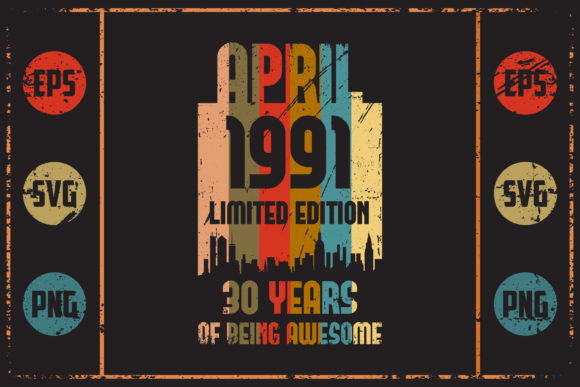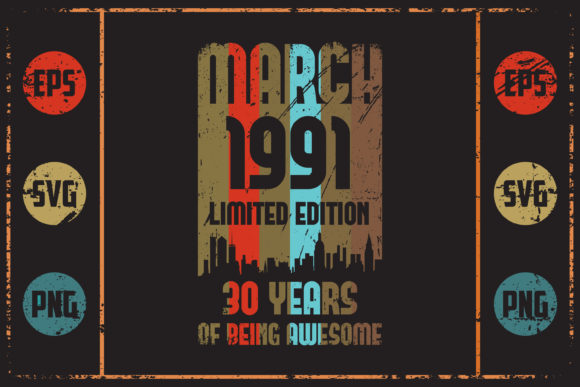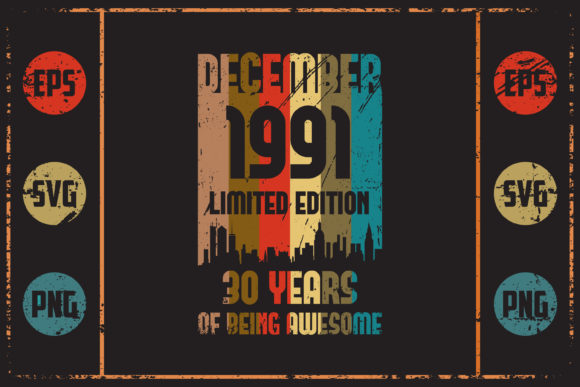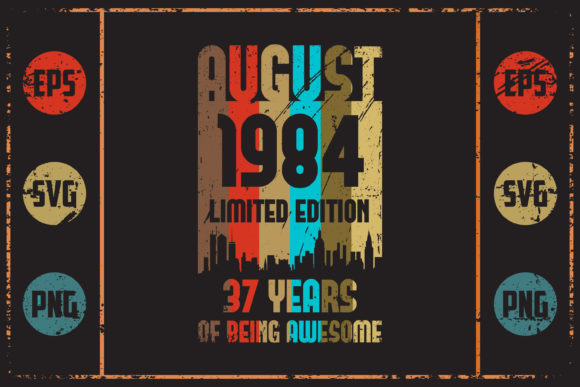
April 1979 - Retro Design
As a designer with years of experience in embroidery and digital graphics, I’ve evaluated countless machine embroidery designs. April 1979 - Retro Design caught my attention not just for its nostalgic aesthetic but for how it translates into real-world projects. This design feels like a time capsule—perfect for those who want to infuse a vintage vibe into their handmade products, custom apparel, or boutique merchandise.
The First Impression
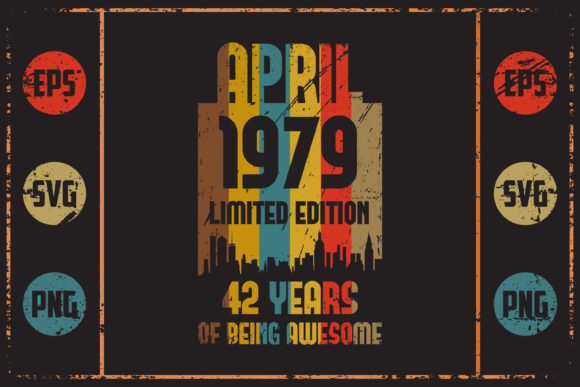
From the moment I opened the .zip file, I was struck by the clean lines and bold typography of April 1979 - Retro Design. The retro feel is unmistakable, evoking a sense of nostalgia that’s both appealing and versatile. The layout is balanced, with a central focal point that makes it ideal for embroidery on items like tote bags, sweatshirts, or baby clothes.
The design’s visual personality is confident and playful. It doesn’t scream “vintage” in an overdone way—it subtly nods to the past while remaining modern enough for today’s market. Whether you’re creating personalized gifts or commercial products, this design has the potential to stand out without overwhelming the item it’s stitched onto.
Real-World Embroidery Performance
I tested April 1979 - Retro Design on several fabrics, from cotton tote bags to lightweight sweatshirts. The design holds up well, especially when using satin stitch for the lettering and fill stitches for the background elements. The stitch density is moderate, which means it works well on most standard hoop sizes without requiring excessive stabilizer or tension adjustments.
For custom apparel, this design is a great fit. It looks sharp on t-shirts, caps, and aprons, and its simplicity makes it easy to pair with other patterns or colors. When used as an embroidered patch, it maintains its clarity and detail, making it perfect for jackets, backpacks, or even pet accessories.
One area where April 1979 - Retro Design shines is in holiday or themed projects. Its retro look pairs well with seasonal motifs, making it a solid choice for Christmas, birthday, or wedding gifts. It also works well as a printable mockup for digital product previews, allowing designers to showcase the design before committing to a physical project.
Where to Use With Caution
While April 1979 - Retro Design is versatile, there are some situations where it may not perform as well. On small hoop sizes, the design might require resizing or reworking to maintain clarity. If you're planning to embroider on textured or stretchy fabrics, you’ll need to test it first to ensure the stitches don’t distort the design.
Thin or dark fabrics can also be a challenge. The design’s details may not show up as clearly on dark backgrounds, so it’s worth testing it in black and white mockups before finalizing your project. Additionally, if you’re working with layered garments or curved surfaces like caps, you may need to adjust the design slightly to accommodate the shape.
Dense stitch areas or intricate corners could lead to puckering or thread breakage, especially on delicate fabrics. For these cases, using the right stabilizer and adjusting your machine settings can make a big difference in the finished result.
Impact on Visual Appeal and Customer Trust
April 1979 - Retro Design adds a unique touch to any handmade product. Its retro style appeals to a wide audience, making it a strong choice for Etsy sellers, craft businesses, and small shop owners looking to offer something different. The design’s clarity and professionalism contribute to a higher perceived value, which can help build customer trust and encourage repeat purchases.
When used in personalized gifts or custom apparel, this design elevates the overall presentation. It gives the impression of care and craftsmanship, which is essential for maintaining brand consistency and attracting buyers who appreciate quality and detail.
For commercial embroidery projects, April 1979 - Retro Design offers flexibility. It can be adapted for use in promotional merchandise, boutique branding, or even as part of a larger collection. Its versatility makes it a valuable addition to any designer’s toolkit.
Practical Designer Notes
Before using April 1979 - Retro Design in a real project, I recommend testing it on scrap fabric. This will help you see how the stitches interact with different materials and identify any potential issues early on. Checking thread color contrast is also important—especially if you plan to use the design on dark or light fabrics.
Reviewing the stitch density and confirming the appropriate hoop size will save you time and prevent frustration during the embroidery process. Inspecting small details, like the corners and lettering, ensures that the design remains crisp and clear after stitching.
Testing the design in black and white mockups helps you visualize how it will look on various backgrounds. Comparing it against light and dark fabric options can guide your color choices and enhance the final appearance.
Using the right stabilizer is crucial, especially for delicate or stretchy fabrics. Make sure the design works for both personal and commercial projects, and always confirm the licensing terms before selling finished items or digital products.
Final Thoughts
April 1979 - Retro Design is a solid choice for designers and crafters looking to add a vintage flair to their work. It performs well in a variety of embroidery projects, from custom apparel to personalized gifts, and its clean, retro aesthetic makes it adaptable to different styles and markets.
With careful consideration and proper testing, this design can become a staple in your creative workflow. Whether you’re an Etsy seller, a small business owner, or a hobbyist, April 1979 - Retro Design offers practical value and visual appeal that can elevate your handmade products and digital assets.